The London fatberg crisis escalated sharply over the past six months. Between October 2025 and March 2026, Thames Water extracted three separate fatbergs from beneath the capital, each one a congealed mass of cooking fat, grease, and wet wipes cemented into a sewer-choking wall. The first, a 100-tonne, 125-metre blockage in Feltham, took more than a month to chisel and blast free[s]. In December, engineers found a second 100-tonne mass in Whitechapel, dubbed “the grandchild” of the record-setting 130-tonne fatberg discovered in the same neighbourhood in 2017[s][s]. Then in February 2026, a 500-metre wall of congealed fat was discovered outside Heathrow Terminal 5, filling nearly half a kilometre of pipe[s]. Three strikes in six months suggest the London fatberg crisis is accelerating, not stabilising.
What Feeds the London Fatberg Crisis
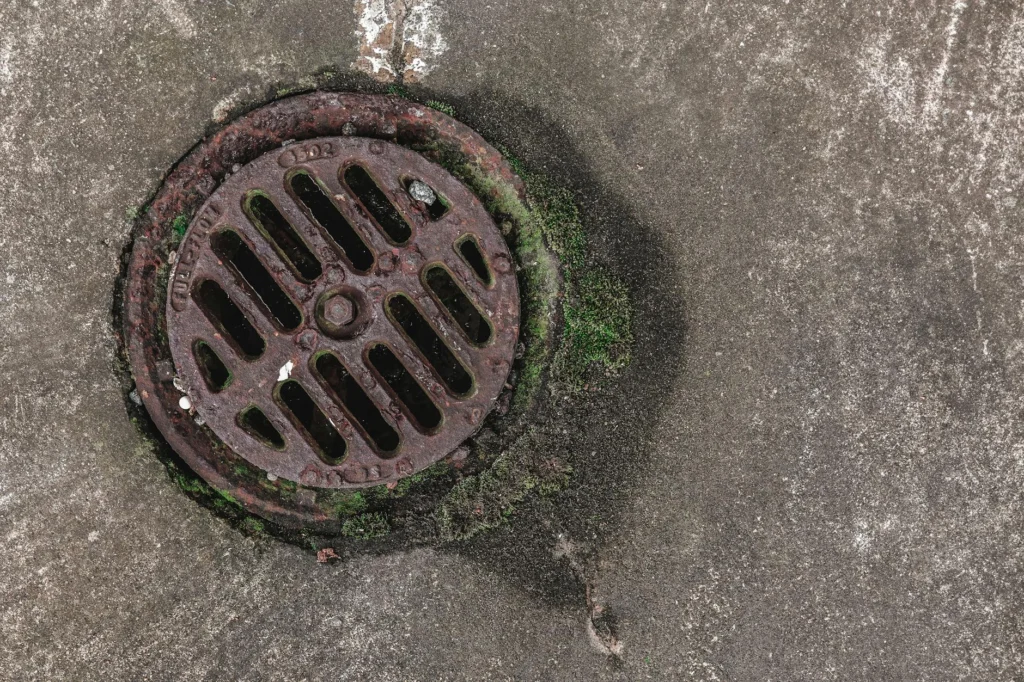
The London fatberg crisis has a straightforward chemistry. Fats, oils, and grease poured down kitchen sinks cool and solidify inside sewer pipes, bonding with non-flushable items, primarily wet wipes, to form rock-hard masses that engineers compare to breaking up concrete[s]. A Thames Water survey found that over 40% of respondents had poured meat juices down the sink, 39% gravy, and 18% animal fats including lard[s]. Wet wipes compound the problem: Thames Water pulls 3.8 billion wipes from its network every year at a cost of £18 million[s]. Ageing infrastructure deepens the London fatberg crisis. Victorian-era sewers make the city particularly vulnerable because the older, narrower pipes trap grease deposits faster than modern systems[s].
The Cost of the London Fatberg Crisis
The London fatberg crisis carries a heavy price tag. Across Thames Water’s network, fat-related blockages account for 28% of all sewer obstructions and trigger over 60% of sewer floods[s]. The company clears 75,000 blockages a year[s], with fat-related blockages alone costing roughly £40 million annually[s]. During the peak months of December and January alone, when holiday cooking spikes grease disposal, clearance costs hit £2.1 million[s]. When local pipes, often narrower than a mobile phone, get blocked, sewage backs up into roads, rivers, and homes[s]. These costs land on customer bills. The 2017 Whitechapel fatberg alone cost £220,000 to remove[s]; the recent Heathrow extraction, far larger in scale, took over two weeks. Each incident underscores how the London fatberg crisis is outpacing removal efforts.
Regulation may offer partial relief for the London fatberg crisis. The UK government announced legislation in 2025 to ban wet wipes containing plastic, a step Thames Water has publicly welcomed[s]. Whether that measure alone can curb the London fatberg crisis remains uncertain. Wipes are only half the equation; the other half sits in every kitchen. Thames Water has installed 20,000 sewer monitors for early blockage detection and runs its “Bin It, Don’t Block It” campaign urging residents to flush only “the three Ps: pee, poo, and paper”[s]. Until household habits shift, the London fatberg crisis will keep growing, and the bills will keep climbing.