Russia has been systematically destroying Ukraine’s ability to generate electricity. Since October 2025, Russian forces have struck the country’s energy infrastructure more than 250 times, hitting every thermal power plantAn electricity generation facility that uses combustion of fossil fuels (coal, gas, or oil) or other heat sources to produce steam and drive turbines. in the country and leaving millions of civilians enduring daily blackouts of eight to twelve hours through the coldest months of the year.
What Russia Is Attacking
Before the full-scale invasion in February 2022, Ukraine produced far more electricity than it needed. After years of strikes, the country can no longer generate enough power to meet winter demand. The gap is not small: at its coldest, Ukraine needs more electricity than its damaged system can produce.
Russia is not hitting targets at random. Every thermal power plant in the country, all fifteen of them, has been attacked. But more than half the strikes have targeted substationsA facility that uses transformers to adjust electrical voltage, connecting power plants to the distribution network that serves homes and businesses., the facilities that connect power plants to homes and businesses. Substations contain custom-built transformers that weigh hundreds of tonnes and take over a year to manufacture. Each one destroyed creates a bottleneck that cannot be worked around quickly. This is the core logic of the campaign: destroying the connective tissue of the grid makes damage harder to repair, even when new generators arrive.
The attacks are intensifying. In January 2026, Russia launched thousands of drones at Ukrainian targets, averaging roughly 143 per day, according to the Ukraine Air War Monitor. On the night of February 2-3, Russia launched 450 drones and 71 missiles in a single attack, the largest aerial assault of the year, as reported by ABC News. That strike left hundreds of apartment buildings in Kyiv without heating and severely damaged a power plant in Kharkiv.
What the World Is Doing
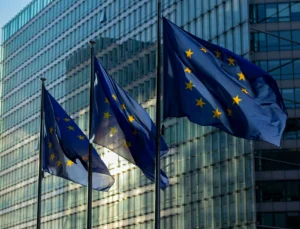
The international response has been substantial. The EU Civil Protection Mechanism has coordinated the delivery of more than 10,000 generators, thousands of transformers, and other critical equipment, including an entire power plant dismantled in Lithuania and shipped to Ukraine. In January 2026, the EU announced an additional €153 million in humanitarian aid.
Ukraine is also building a more resilient energy system by spreading out its power sources. Rather than relying on a few large power plants that a single missile can destroy, the country is installing thousands of smaller generators, solar panels, and local heating systems. This strategy will make the grid harder to cripple in future winters, but it cannot close the gap this winter. Solar panels produce the least electricity precisely when Ukraine needs it most, during short, dark winter days.
The aid is keeping the grid from total collapse. It is not keeping the lights on.
Who Is Being Hurt
The UN Human Rights Monitoring Mission reported that 2025 was the deadliest year for Ukrainian civilians since 2022. When heating fails in sub-zero temperatures, hospitals lose power, water treatment stops, and elderly residents in high-rise buildings are cut off from water and heat. UN Women reported that blackouts disproportionately affect women and girls, who bear the burden of sourcing water, managing alternative heating, and caring for children and elderly relatives in unheated apartments.
The UN High Commissioner for Human Rights called on Russia to halt the strikes, characterizing them as attacks on essential civilian infrastructure. Russia has not indicated any intention to comply.
What Comes Next
Three things are preventing a complete grid collapse: Ukrainian repair crews working under active bombardment, Western equipment deliveries, and electricity imports from European neighbors. All three are under strain. Repair crews are exhausted after three winters of this cycle. Western aid faces competing political priorities, particularly as the war enters its fifth year and global energy markets remain volatile. And the transmission lines that carry imported electricity are themselves targets.
Russia’s drone production continues to expand, with Iranian-designed Shahed drones now manufactured domestically. Ukraine’s air defenses intercept a significant percentage of incoming strikes, but not enough to prevent cumulative damage. The question is whether repair and reinforcement can outpace destruction. So far, the answer has been: barely.
Russia has struck Ukraine’s energy infrastructure more than 250 times since October 2025, destroying or damaging every thermal power plantAn electricity generation facility that uses combustion of fossil fuels (coal, gas, or oil) or other heat sources to produce steam and drive turbines. in the country and leaving millions of civilians enduring daily blackouts of eight to twelve hours through the coldest months of the year. The campaign against the Ukraine power grid represents the most sustained systematic assault on a national electricity system in modern warfare, and it is working.
The Ukraine Power Grid Before and After
Before Russia’s full-scale invasion in February 2022, Ukraine’s power grid had a total generation capacity exceeding 37 gigawatts, according to the International Energy Agency. By the end of 2024, that figure had fallen below 14 gigawatts. In 2024 alone, missile and drone attacks destroyed approximately 9 gigawatts of generating capacity, roughly one-third of pre-war consumption, according to the same IEA assessment.
Ukraine’s Ministry of Energy estimated that 17.6 gigawatts would be available for the 2025-2026 heating season after partial repairs. Peak winter demand, however, is projected at 18.5 gigawatts. The arithmetic is simple: the country cannot generate enough electricity to meet its own needs during the coldest weeks of the year.
The deficit is not theoretical. Rolling blackoutsScheduled or unplanned temporary interruptions of electrical service distributed across regions to manage supply shortages during peak demand periods. have become routine across the country. In several regions, households lose power for 12 to 18 hours per day. Even optimistic forecasts from Ukrainian energy officials project a gradual improvement to eight-hour cuts, then four-hour cuts, over a timeline measured in months.
The Scale of Winter Attacks on the Ukraine Power Grid
From early October 2025 through mid-January 2026, Ukraine’s intelligence service logged 256 drone and missile strikes specifically targeting energy facilities: 11 on hydroelectric plants, 94 on thermal power plants, and 151 on substationsA facility that uses transformers to adjust electrical voltage, connecting power plants to the distribution network that serves homes and businesses.. The pattern is systematic. Russia is not hitting random infrastructure. It is methodically targeting the nodes that are hardest to replace.
In January 2026 alone, Russia launched 4,442 drones at Ukrainian targets, an average of approximately 143 per day, according to the Ukraine Air War Monitor. Many of these were aimed at energy infrastructure. On the night of February 2-3, Russia launched 450 drones and 71 missiles in a single attack, the largest aerial assault of the year, as reported by ABC News. That strike left hundreds of apartment buildings in Kyiv without heating and severely damaged a power plant in Kharkiv, cutting heating to hundreds of thousands of residents.
Ukraine’s energy minister stated in January 2026 that “there is not a single power plant in Ukraine that the enemy has not attacked.” Every thermal power plant in the country, all 15 of them, has been damaged or destroyed.
Why Substations Matter More Than Power Plants
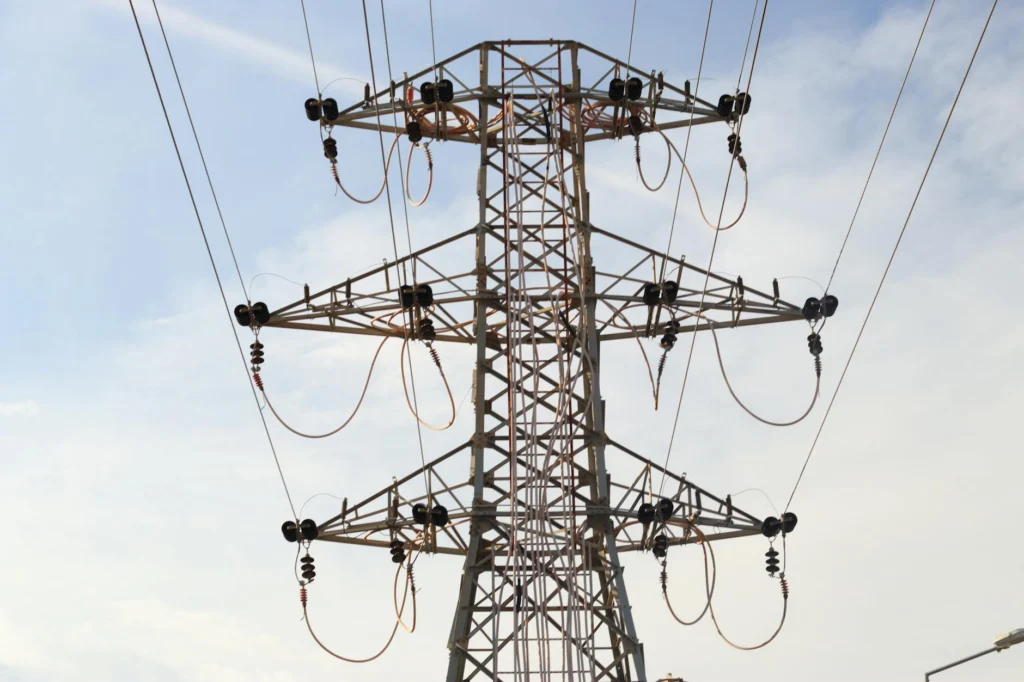
Substations are the connective tissue of any electrical grid. They step voltage up for long-distance transmission and back down for local distribution. A power plant that generates electricity is useless if the substation connecting it to the grid has been destroyed. This is why 151 of the 256 recorded strikes since October targeted substations rather than generating facilities.
High-voltage transformersA device that steps electrical voltage up for long-distance transmission or back down for local distribution. Custom-built units take 12-18 months to manufacture and cannot be mass-produced., the critical components inside substations, are custom-built, weigh hundreds of tonnes, and can take well over a year to manufacture under normal conditions. They cannot be mass-produced. Each one destroyed creates a bottleneck that repair crews cannot simply work around.
This is the core logic of Russia’s strategy against the Ukraine power grid. Destroying generation capacity forces blackouts. Destroying the grid’s connective infrastructure makes those blackouts harder to fix, even when new generators arrive.
What Western Aid Has Delivered
The international response has been substantial in absolute terms. Since 2022, the EU Civil Protection Mechanism has coordinated the delivery of more than 10,000 power generators, over 7,000 transformers, six autotransformersA type of electrical transformer that uses a single winding for both input and output, used in high-voltage power grids to step voltage up or down efficiently., and thousands of electrical components to Ukraine. The 2025-2026 winterization campaign was the largest volume of energy assistance ever delivered under the mechanism.
The single largest donation was the dismantling and delivery of the entire Vilnius Thermal Power Plant from Lithuania to Ukraine, completed in December 2025. The European Commission estimated that the energy assistance channeled through the mechanism provides electricity for over 9 million people.
In January 2026, the EU announced an additional €153 million in humanitarian aid to Ukraine. USAID purchased 18 autotransformers to support grid repairs. Azerbaijan sent transformer equipment. Additional deliveries expected through the winter include 798 generators, 117 transformers, and 120 boilers and cogenerationA power generation system that produces both electricity and usable heat from the same fuel source, improving overall energy efficiency. installations.
The aid is keeping the Ukraine power grid from total collapse. It is not keeping the lights on. The gap between what arrives and what Russia destroys has not closed.
The Decentralization Strategy
Ukraine is pursuing a long-term structural response: decentralizing its grid so that large, centralized power plants are no longer single points of failure. The logic is military as much as it is economic. A thousand small generators distributed across a city are harder to destroy with a single missile than one large plant.
In 2025, Ukraine installed at least 1.5 gigawatts of new solar generation capacity, according to the IEA. The government’s National Energy and Climate Plan targets 12.2 gigawatts of solar and 6.2 gigawatts of wind by 2030. The IEA has recommended that Ukraine add 4 gigawatts of distributed photovoltaicA technology that converts sunlight directly into electricity using semiconductor cells, commonly deployed as solar panels on rooftops or in large solar farms. capacity per year to build a genuinely resilient system.
Distributed generationAn electricity supply approach that relies on many small, dispersed sources rather than a few large centralized plants, making the system more resilient to targeted attacks or failures. also includes cogeneration plants (which produce both electricity and heat), modular boiler rooms that can replace destroyed stationary facilities, and gas turbine installations that can start up autonomously without grid power. In frontline regions, the government has introduced subsidized gas prices for distributed generation and simplified installation procedures.
These measures are necessary and forward-looking. They will not close the Ukraine power grid gap this winter. Solar generation in Ukraine peaks in summer, when days are long. In January, when electricity demand is highest, solar output drops to a fraction of its rated capacity. The decentralization strategy is a survival plan for future winters, not this one.
The Humanitarian Cost
The UN Human Rights Monitoring Mission reported that 2025 was the deadliest year for Ukrainian civilians since 2022. The energy campaign is a significant factor. When heating fails in temperatures well below freezing, the consequences extend beyond inconvenience. Hospitals lose power. Water treatment stops. Elderly residents in high-rise apartment buildings, where electric pumps deliver water and heat above the ground floor, are effectively cut off.
UN Women reported in February 2026 on the disproportionate impact of blackouts on women and girls, who bear the brunt of household survival tasks when infrastructure fails: sourcing water, managing heating alternatives, and caring for children and elderly relatives in unheated apartments.
The UN High Commissioner for Human Rights called on Russia to halt the strikes, characterizing them as attacks on essential civilian infrastructure. Russia has not indicated any intention to comply.
What Stands Between Ukraine and a Total Blackout
Three things are preventing a complete grid collapse. First, continuous repair work by Ukrainian energy crews, often conducted under active bombardment. Ukrenergo, the national grid operator, has maintained a cycle of damage and repair that keeps partial service running in most regions, even as new strikes undo previous fixes.
Second, Western equipment deliveries. The transformers, generators, and power plant components arriving from the EU, the United States, and other partners are not luxuries. They are the difference between rolling blackouts and no power at all.
Third, European energy interconnections. Ukraine’s grid was synchronized with the Continental European grid in March 2022, allowing electricity imports from neighboring EU countries. These imports cannot cover the full deficit, but they provide a critical buffer during peak demand.
Each of these three pillars is under strain. Repair crews are exhausted after three winters of this cycle. Western aid commitments face competing political priorities, particularly as the war enters its fifth year and global energy markets remain volatile. And electricity imports depend on transmission infrastructure that is itself a target.
The situation is not static. Russia’s drone production capacity continues to expand, with Iranian-designed Shahed drones now manufactured domestically in Russia. Ukraine’s air defense systems intercept a significant percentage of incoming strikes, but not enough to prevent cumulative damage to the grid. The question is whether repair and reinforcement can outpace destruction of the Ukraine power grid. So far, the answer has been: barely.