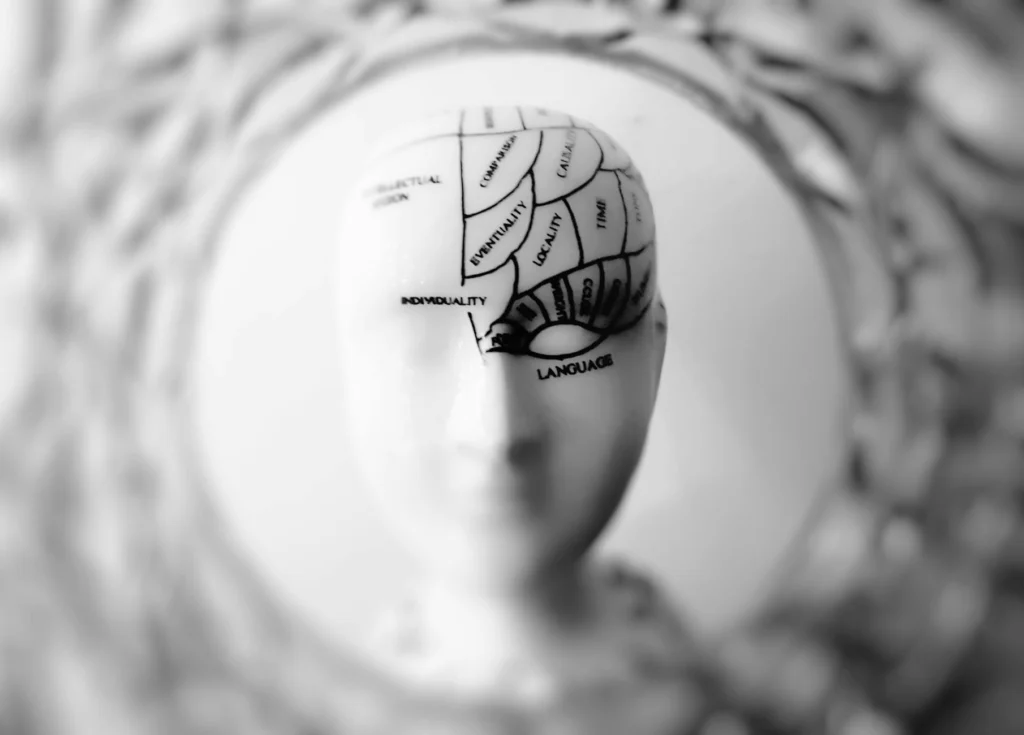
When scientists first started studying addiction in the 1930s, the prevailing explanation was simple: addicts were morally weak. They lacked willpower. They chose pleasure over responsibility. This framing shaped policy for decades, and it persists today. Surveys consistently show that the public holds more negative attitudes toward people with drug addiction than toward those with mental illness, with respondents more likely to view addiction as a personal failing than a medical condition.
But the evidence tells a different story. Decades of research in neuroscience, genetics, and behavioral psychology have dismantled the willpower model of addiction. What has emerged in its place is more nuanced and, critically, more useful: addiction is a condition shaped by brain chemistry, genetic vulnerability, and environment, and the treatments that work are the ones designed around that reality.
The Willpower Myth and Its Costs
The idea that addiction is a choice, a failure of character that can be overcome through sheer determination, is not just wrong. It is actively harmful. When addiction is framed as a moral problem, the logical policy response is punishment, not treatment. And that is precisely what happened for most of the 20th century.
The consequences are measurable. The 2016 U.S. Surgeon General’s report, Facing Addiction in America, found that 27.1 million Americans were using illicit drugs or misusing prescription drugs, with substance misuse costing society an estimated $442 billion per year in health care, lost productivity, and criminal justice expenses. Despite this, roughly 90 percent of people with a substance use disorder were not receiving treatment.
The willpower framing contributes directly to that treatment gap. If addiction is a choice, then treatment is optional, even undeserved. Research from Johns Hopkins found that people were significantly more willing to accept discriminatory practices against people with addiction compared to those with mental illness, and were more skeptical that treatment could help.
What Actually Happens in the Brain
Every drug with addiction potential increases dopamine, a chemical messenger involved in reward and motivation, in a brain region called the nucleus accumbensA small brain region at the core of the reward circuit that releases dopamine in response to pleasurable experiences such as food, money, or humor.. This is the brain’s way of saying “that was good, do it again.” Food, social connection, and sex all trigger this system. Drugs exploit it.
But here is what most people get wrong: addiction is not about too much pleasure. A comprehensive review by NIDA Director Nora Volkow and colleagues, published in Physiological Reviews, found that in people with established addiction, drug consumption is actually associated with a reduced dopamine response compared to what they experienced early on. The brain adapts. It turns down its own sensitivity.
The result is a cruel paradox. The person keeps using not because the drug feels as good as it once did, but because nothing else feels good enough anymore. Their brain’s reward system has been recalibrated. Normal pleasures, a good meal, a conversation with a friend, deliver less signal than they used to.
At the same time, the brain’s self-control systems take damage. Neuroimaging research by Goldstein and Volkow has shown that the prefrontal cortex, the brain region responsible for decision-making, impulse control, and weighing consequences, becomes impaired in addiction. This is the part of the brain you would rely on to exercise “willpower.” In addiction, it is the part that is compromised.
So telling someone with addiction to just use willpower is like telling someone with a broken leg to just walk it off. The very mechanism that willpower depends on has been altered by the condition itself.
Genes Load the Gun, Environment Pulls the Trigger
Not everyone who uses drugs becomes addicted. Twin and family studies have consistently shown that genetic factors account for approximately 50% of the risk of developing a substance use disorder. The heritabilityA statistical measure of how much variation in a trait within a population is explained by genetic differences. A heritability of 50% means genes account for half the variation in risk. varies by substance: alcohol use disorder runs around 50 to 64 percent, nicotine dependence between 30 and 70 percent, and opioid dependence roughly 50 percent.
But genes are not destiny. The other half of the equation is environment, and one of the most striking demonstrations of this came from an unexpected source: the Vietnam War.
Researcher Lee Robins studied heroin use among U.S. soldiers in Vietnam and found that 34 percent had used heroin during their deployment and 20 percent showed symptoms of dependence. Given what was known about heroin at the time, experts predicted disaster when these men came home. Instead, something remarkable happened: in the first year back in the United States, only 1 percent became re-addicted, even though 10 percent tried heroin again.
The environment had changed. In Vietnam, heroin was cheap, readily available, socially normalized among troops, and used against the backdrop of extreme stress. Back home, those conditions vanished. The drug was the same. The brain was the same. The surroundings were different, and that made all the difference.
This does not mean environment is everything either. It means addiction sits at the intersection of biology and circumstance, and any model that ignores either side is incomplete.
The Disease Model: Useful but Imperfect
In 1997, NIDA Director Alan Leshner declared that addiction is a “brain disease,” a position that has dominated institutional thinking ever since. The intent was good: if addiction is a disease rather than a moral failing, then people deserve treatment rather than punishment.
The problem, as psychologist Nick Heather has argued, is that this framing presents a false choice. Addiction does not have to be either a brain disease or a moral failing. Those are not the only two options. A growing body of researchers argues that addiction is better understood as a developmental-learning disorder, a pattern of behavior shaped by biological vulnerability, environmental pressures, and reinforcement patterns that become deeply entrenched over time.
Heilig and colleagues acknowledged in a 2021 review that some criticisms of the brain disease model have merit: no specific neural signature of addiction has been identified, the model can be overly deterministic, and it fails to account for the significant number of people who recover without any treatment at all. A 25-year longitudinal study found that most people who developed drug problems in their early twenties gradually achieved remission, and that “spontaneous remission was the rule rather than the exception.”
Critics have also pointed out that the disease model has not accomplished what it promised on stigma reduction. Research published in AJOB Neuroscience noted that reframing addiction from a “malady of the weak-willed” to a “pathology of the weak-brained” may carry just as much potential for stigma.
None of this means the neuroscience is wrong. The brain changes are real. What it means is that calling addiction a “brain disease” is a simplification that can obscure as much as it reveals.
What Actually Works
If addiction is not a failure of willpower, then treatments based on strengthening willpower should not work very well. And, broadly speaking, they do not.
What does work falls into two categories: medications that address the biological component and behavioral approaches that address the environmental one.
For opioid use disorder, medications like buprenorphine and methadone reduce cravings, prevent withdrawal, and cut the risk of overdose death by more than half. Naltrexone, an opioid blocker, is effective in its extended-release injectable form, though the oral version performs barely better than placebo because people simply stop taking it. These medications work precisely because they operate on the biology: they modulate the same receptor systems that drugs of abuse hijack.
On the behavioral side, one approach stands out for having the strongest evidence base. Contingency managementA behavioral treatment for addiction that gives tangible rewards for verified abstinence. It has the strongest evidence base of any psychosocial treatment for substance use disorders., which provides tangible rewards (usually modest cash or vouchers) for verified abstinence, has the largest effect sizeA standardized measure of the magnitude of difference between groups in a study, independent of sample size. of any psychosocial treatment for substance use disorders. It works across populations, substances, and settings. The logic is straightforward: if the reward system has been hijacked, give it something else to respond to.
Yet contingency management remains one of the least implemented evidence-based treatments in U.S. programs. Many clinicians find the idea of “paying people not to use drugs” philosophically objectionable. The gap between what the evidence supports and what treatment programs actually offer remains enormous.
The Recovery Paradox
Perhaps the strongest argument against the willpower model is not that willpower is irrelevant, but that it is insufficient. People do recover from addiction, often without formal treatment. But the mechanisms of recovery are rarely about white-knuckling through cravings.
The Vietnam veterans study illustrates one path: radical environmental change. Other research points to factors like new social networks, stable employment, and purpose. These are not willpower. They are structural conditions that alter the balance of rewards and risks in a person’s life.
The neuroscience supports this too. Prefrontal cortex function, the biological substrate of self-regulation, shows recovery with sustained abstinence. The brain can heal, but it heals in context. Recovery is not a triumph of will over biology. It is the slow restoration of a system that was disrupted, aided by circumstances that make recovery possible.
Why This Matters
The willpower model of addiction is not just scientifically outdated. It is a barrier to effective policy. When we treat addiction as a moral problem, we underfund treatment, overcrowd prisons, and leave millions of people without access to interventions that demonstrably work.
The evidence points to a more complex reality: addiction emerges from the interaction of brain chemistry, genetic vulnerability, and environmental conditions. It involves real changes in brain structure and function, but it is not a fixed or hopeless state. Recovery is possible, common even, but it depends on conditions that go far beyond individual determination.
The question is not whether people with addiction have willpower. Many do. The question is whether willpower is the right tool for the job. The science says it is not.
This article is for informational purposes only and does not constitute professional medical advice.
The willpower model of addiction, the folk-psychological framework that attributes substance use disorders to deficient self-control, has persisted in public discourse despite decades of countervailing evidence. Survey data consistently demonstrate that the public endorses more stigmatizing attitudes toward substance use disorders than toward other psychiatric conditions, framing addiction as volitional failure rather than pathophysiology. This framing has downstream consequences for policy, clinical care, and research funding.
This article examines what the neuroscientific, genetic, and behavioral evidence actually shows about addiction mechanisms, and why the willpower framework fails both descriptively and prescriptively.
Neurobiological Substrate: Beyond the Dopamine Hypothesis
The mesolimbic dopamine pathwayA neural circuit linking the ventral tegmental area to the nucleus accumbens; it drives motivation and reward-seeking, and is central to habit formation and addictive behavior., projecting from the ventral tegmental area (VTA) to the nucleus accumbensA small brain region at the core of the reward circuit that releases dopamine in response to pleasurable experiences such as food, money, or humor. (NAc), is the canonical reward circuit implicated in addiction. All drugs with addiction potential increase dopaminergic signaling in the NAc, whether directly (stimulants blocking the dopamine transporter) or indirectly (opioids disinhibiting VTA dopamine neurons via GABAergic interneuron suppression, alcohol modulating multiple receptor systems). A comprehensive review by Volkow, Michaelides, and Baler (2019) in Physiological Reviews detailed how chronic drug exposure triggers glutamatergic-mediated neuroadaptations in striato-thalamo-cortical and limbic pathways that, in vulnerable individuals, result in the phenotype we call addiction.
A critical and counterintuitive finding: in established addiction, the dopaminergic response to drug consumption is attenuated, not enhanced. As Volkow et al. documented, the actual drug consumption in addicted individuals is associated with a reduced dopamine increase in reward regions. This creates a prediction-error driven cycle: drug cues trigger conditioned dopamine surges (anticipation), but the actual experience underdelivers relative to the conditioned expectation, driving further consumption in an attempt to close the gap.
Simultaneously, changes in the extended amygdala produce negative emotional states (anhedoniaThe inability to feel pleasure from activities that are normally enjoyable. In addiction, it results from the brain's reward system becoming desensitized to everyday stimuli., anxiety, irritability) during withdrawal, creating a secondary motivational driver: drug use to alleviate dysphoria rather than to pursue euphoria. This shift from positive to negative reinforcement as the dominant motivational mechanism is a hallmark of the transition from recreational use to addiction.
Prefrontal Cortex Dysfunction and the iRISA Model
The willpower model implicitly assumes intact executive function. The neuroimaging evidence directly contradicts this assumption. Goldstein and Volkow’s (2011) iRISA model (Impaired Response Inhibition and Salience Attribution) identifies prefrontal cortex dysfunction as the neural substrate underlying the core clinical features of addiction.
Functional and structural imaging studies document disruptions across multiple PFC subregions:
- Dorsolateral PFC (DLPFC): Impaired inhibitory control, working memory deficits, reduced behavioral flexibility
- Orbitofrontal cortex (OFC): Distorted valuation, with drug-related stimuli assigned excessive salience while non-drug reinforcers are devalued
- Anterior cingulate cortex (ACC): Compromised conflict monitoring and error detection, reduced awareness of the discrepancy between intended and actual behavior
- Ventromedial PFC (vmPFC): Impaired emotion regulation, contributing to enhanced stress reactivity and inability to suppress negative affect
The key point: these are the very regions that underlie what we colloquially call “willpower.” Addiction does not merely challenge self-control; it degrades the neural machinery that self-control depends on. Telling a person with addiction to exercise willpower is functionally analogous to asking them to perform a cognitive task with a damaged processor.
Genetic Architecture: PolygenicDescribes a trait or disease influenced by many genes, each contributing a small effect. Most common diseases like diabetes and heart disease are polygenic. Risk and Gene-Environment Interaction
Twin and family studies have established that genetic factors account for approximately 50% of substance use disorder risk (h2 ~ 0.50). This estimate is remarkably consistent across substance classes: alcohol use disorder h2 = 0.50-0.64, nicotine dependence h2 = 0.30-0.70, cannabis use disorder h2 = 0.51-0.59, opioid dependence h2 ~ 0.50, and cocaine use disorder h2 = 0.40-0.80.
Genome-wide association studies (GWAS) have confirmed that SUDs are highly polygenic, with many variants across the genome conferring risk, the vast majority of small effect. Robust loci include alcohol-metabolizing genes (ADH1B, ALDH2) for alcohol-related traits and the CHRNA5-CHRNA3-CHRNB4 gene cluster for nicotine-related traits. Cross-trait genetic correlations reveal shared genetic architecture between SUDs and other psychiatric disorders, suggesting common underlying vulnerability factors.
Importantly, heritabilityA statistical measure of how much variation in a trait within a population is explained by genetic differences. A heritability of 50% means genes account for half the variation in risk. is not determinism. Environmental factors modulate genetic risk substantially. The most dramatic demonstration remains Lee Robins’ landmark studies of heroin use among Vietnam veterans. Robins found that 34% of soldiers used heroin during deployment, with 20% meeting criteria for dependence. Upon return to the United States, only 1% became re-addicted in the first year, despite 10% trying heroin again. The pharmacological agent was identical. The genetic vulnerability was unchanged. The environmental context, availability, social norms, stress levels, alternative reinforcers, changed radically, and with it, the trajectory of the disorder.
The Brain Disease Model: Strengths and Limitations
The brain disease model of addiction (BDMA), formalized by Leshner in 1997 and defended most recently by Heilig et al. (2021), was an explicit attempt to counter moralistic framing. Its political utility was clear: disease status implies entitlement to treatment, insurance coverage, and compassion rather than punishment.
The model has merit. The neuroadaptations are real, reproducible, and clinically significant. The BDMA provided the intellectual framework for the development of pharmacotherapies and for directing research funding toward biological mechanisms.
But the model has faced substantive criticism from within the scientific community. Hammer et al. (2013) documented concerns from both patients and addiction scientists about the model’s lack of diagnostic robustness (no biomarker, reliance on behavioral criteria in the DSM) and its reductive inattention to social context. Heather (2017) argued that the BDMA presents a false dichotomy (brain disease versus moral failing), when other models, particularly developmental-learning models, can account for the evidence without requiring either label.
Three specific criticisms warrant attention:
- Spontaneous remission: A 25-year longitudinal study by Price, Risk, and Spitznagel (2001) found that most drug abusers who started using by their early twenties gradually achieved remission without treatment, with the mean duration from initiation to last remission ranging from 9 to 14 years. “Spontaneous remission was the rule rather than the exception.” This is difficult to reconcile with a strict chronic-relapsing-disease framework.
- No specific neural signature: Despite extensive neuroimaging research, no diagnostic biomarker for addiction has been identified. The brain changes observed are real but non-specific, overlapping with those seen in other psychiatric conditions.
- Stigma outcomes: Evidence suggests that biogenetic explanations of mental and behavioral disorders have been counterproductive in reducing stigma. Framing a person’s behavior as determined by their brain may reduce perceived blame but simultaneously increases perceived dangerousness and desire for social distance.
The emerging consensus, articulated by Heilig et al. and others, is that addiction requires a biopsychosocial model that integrates neuroscientific, behavioral, clinical, and sociocultural perspectives. The brain is the substrate from which both addiction and recovery arise, but it does not operate in a vacuum.
Pharmacological and Behavioral Evidence: What Works and Why
If the willpower model were correct, then motivation-based interventions should be sufficient. They are not. The treatments with the strongest evidence base operate on biological mechanisms, environmental contingencies, or both.
Medication-Assisted Treatment
For opioid use disorder, three FDA-approved medications address distinct pharmacological mechanisms:
- Methadone (full mu-opioid agonist): Prevents withdrawal, reduces craving, blocks the euphoric effects of illicit opioids at stable doses. Decades of evidence for reducing mortality, illicit opioid use, and criminal activity.
- Buprenorphine (partial mu-opioid agonist): Similar efficacy to methadone with a ceiling effect that limits overdose risk. Can be prescribed in primary care settings, improving access. A systematic review and meta-analysis (Sordo et al., 2017) found it reduces overdose mortality by more than 50%.
- Extended-release naltrexone (mu-opioid antagonist): Blocks opioid effects without agonist activity. Effective once initiated, but requires complete opioid detoxification first, creating a significant clinical barrier. Oral naltrexone is essentially equivalent to placebo due to non-adherence.
These medications work because they target the same receptor systems that the drugs of abuse operate on. They are evidence against the willpower model: if the problem were insufficient determination, pharmacological intervention at the receptor level should not change outcomes. It does.
Contingency ManagementA behavioral treatment for addiction that gives tangible rewards for verified abstinence. It has the strongest evidence base of any psychosocial treatment for substance use disorders.
Contingency management (CM) provides tangible reinforcers, typically modest monetary incentives or prize draws, contingent on objectively verified abstinence. Meta-analyses consistently demonstrate that CM has the largest effect sizeA standardized measure of the magnitude of difference between groups in a study, independent of sample size. among psychosocial treatments for substance use disorders (Cohen’s d = 0.58, compared to d = 0.32 for the next-best relapse prevention approach).
CM is effective across substance types (stimulants, opioids, cannabis, nicotine, polydrug use), patient populations (including those with comorbid psychiatric disorders, criminal justice involvement, and homelessness), and treatment contexts. No study has demonstrated adverse outcomes from CM relative to standard care.
The logic of CM is consistent with the neuroscience. If the reward system has been recalibrated to prioritize drug-related stimuli, then providing concrete alternative reinforcement creates competing sources of reward. CM does not rely on willpower. It restructures the incentive landscape.
Despite this evidence, CM remains one of the least implemented evidence-based treatments. Barriers include philosophical objections (the 12-step treatment tradition, dominant in 60-75% of U.S. programs, views tangible reinforcement as inconsistent with intrinsic motivation) and practical concerns about cost and administration. This gap between evidence and practice is itself a consequence of the willpower framework: if recovery is supposed to come from inner resolve, then external incentives feel like cheating.
Implications for Policy and Clinical Practice
The evidence supports several concrete positions:
- Medication should be first-line treatment for opioid use disorder. The evidence for buprenorphine and methadone is as strong as for any intervention in psychiatry. Withholding these medications in favor of abstinence-only approaches is not evidence-based care.
- Contingency management should be widely implemented. Its effect size exceeds that of every other psychosocial intervention, yet it remains marginalized by ideological resistance.
- Environmental interventions matter. Housing, employment, social connection, and stress reduction are not secondary to treatment. They are part of it. The Vietnam veteran data and the spontaneous remission literature both demonstrate that environmental conditions are powerful modulators of addictive behavior.
- Punitive policies are counterproductive. Incarceration for drug offenses does not address any of the mechanisms that sustain addiction. It often worsens them by removing social support, creating economic instability, and concentrating drug-using social networks.
The willpower model is not merely incomplete. It is an active obstacle to implementing what the evidence shows works.
This article is for informational purposes only and does not constitute professional medical advice.