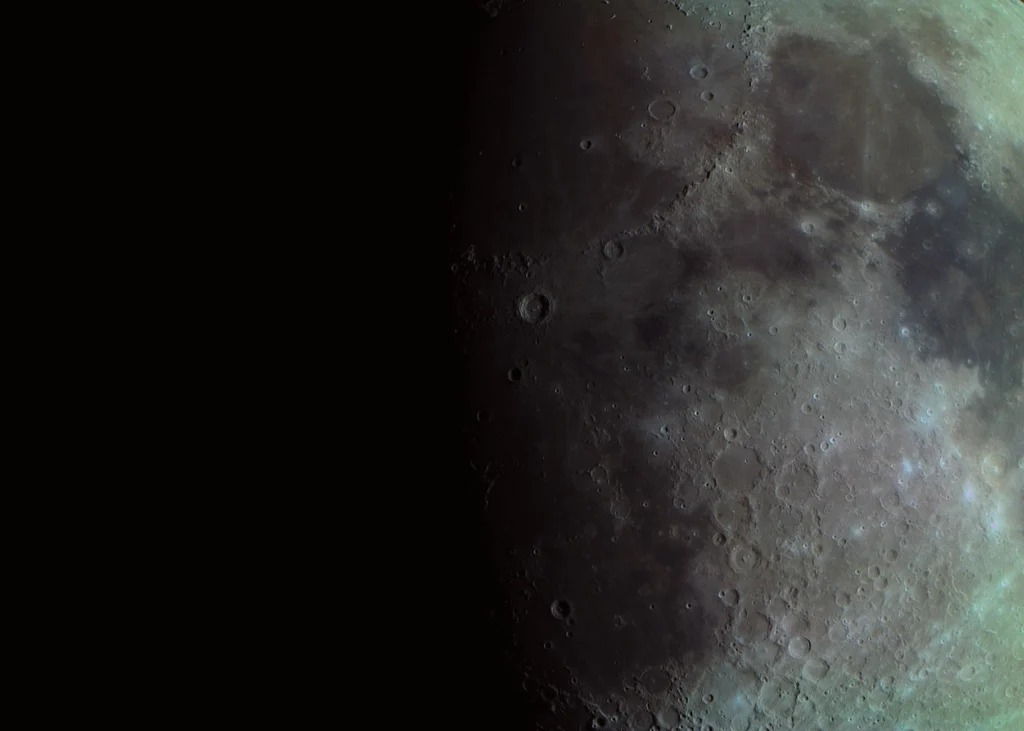
In December 1972, Gene Cernan became the last human to walk on the Moon. More than 50 years later, humanity still has not returned. The Apollo program proved we could get there, but building a permanent lunar base requires solving an entirely different set of problems. The gap between a three-day visit and a sustained human presence comes down to logistics: the brutal economics of space transportation, the invisible hazards of radiation and toxic dust, and the challenge of keeping people alive where nothing grows and nothing breathes.
Why We Left and Stayed Gone
The Apollo program cost the United States $25.8 billion between 1960 and 1973, or approximately $309 billion when adjusted for inflation[s]. After six successful lunar landings, NASA’s official 1973 budget proposal stated simply that “the planned objectives of the Apollo program have been accomplished. FY 1974 funding is not required.”[s] The mission was to beat the Soviets to the Moon, not to stay there. Once that goal was achieved, political support evaporated.
For decades afterward, there was little appetite or funds for returning crewed missions to the Moon[s]. Successive administrations changed direction repeatedly. The result: the Planetary Society estimates NASA will have spent about $107 billion on return-to-the-moon plans through 2026 in inflation-adjusted dollars[s]. Much of that money went toward programs that were later cancelled.
The Million-Dollar Kilogram
Every kilogram of material launched from Earth to the Moon has a price tag of around one million dollars[s]. This single fact explains why a permanent lunar base remained out of reach for so long. A modest habitat, life support equipment, food, water, and tools could easily weigh tens of thousands of kilograms. The math becomes prohibitive quickly.
Modern rockets have not dramatically improved this equation. The Space Launch System, NASA’s current heavy-lift rocket, cost $31.6 billion to develop as of 2025[s]. Its payload capacity to trans-lunar injection is only 27 metric tons, around half that of the Saturn V rockets used during Apollo[s]. Getting more capability to the Moon actually requires more launches today than it did in the 1960s.
Radiation: The Invisible Barrier
Earth’s magnetic field and atmosphere shield life from dangerous radiation. The Moon has neither. According to measurements from China’s Chang’E 4 lander, astronauts in a spacesuit on the lunar surface would be exposed to around 60 microsieverts of radiation every hour, roughly 150 times higher than on Earth[s].
The Apollo astronauts received relatively low doses because their missions were brief. Apollo 14 received the highest skin dose at 1.14 rad[s]. But a permanent lunar base means months or years of exposure. The health consequences include increased cancer risk, cataracts, and cardiovascular problems.
In August 1972, a massive solar storm erupted between the Apollo 16 and Apollo 17 missions. Had astronauts been on the lunar surface during that event, they would have received lethal radiation doses[s]. A permanent presence requires robust shielding. One solution: walls about one meter thick can be built by 3D printing building blocks from lunar dust[s].
The Dust That Cuts
Lunar dust is not like Earth dust. It is sharp, sticky, and everywhere. The Moon is consistently hit by rocks that pound the surface into small particles that act like tiny pieces of glass[s]. Without wind or water to smooth the edges, the particles remain jagged. This dust comprises approximately 20% by weight of the lunar surface soil[s].
Apollo astronauts reported sneezing and nasal congestion after breathing in the regolith that clung to their spacesuits[s]. Similar respiratory effects were reported across multiple Apollo missions. On Apollo missions, regolith ate away at spacesuit boots and vacuum seals of sample containers, and clogged mechanisms[s]. For a permanent lunar base, managing dust infiltration becomes a constant operational challenge.
Keeping People Alive
The longest time humans have spent on the Moon is three Earth days[s]. A permanent lunar base requires reliable life support systems that provide oxygen, temperature regulation, and waste management for months without resupply[s]. Resupply missions are expensive, and as astronaut crews become more independent of Earth, sustained exploration becomes more viable[s].
The solution is using local resources. NASA’s LCROSS mission found that nearly five percent of the regolith at its impact site near the lunar south pole was composed of water[s]. Water can be split into hydrogen and oxygen through electrolysis. Oxygen can also be extracted from the minerals in lunar soil, which is 42-45% oxygen by weight[s].
The Current Plan
NASA has announced plans to spend $20 billion over the next seven years to build a permanent lunar base near the lunar south pole, featuring habitats, pressurized rovers, and nuclear power systems[s]. The south pole was chosen because hilltops there receive near-permanent sunlight while nearby craters remain in permanent shadow at temperatures around minus 200 degrees Celsius, potentially preserving water ice[s].
If successful, this would be the first sustained human presence beyond low Earth orbit. The logistics challenges that prevented a permanent lunar base for 50 years have not disappeared. They have simply become better understood, and the technologies to address them are finally being developed.
In December 1972, Apollo 17 marked humanity’s last crewed lunar landing. More than 50 years later, a permanent lunar base remains unrealized. The technical barriers are well-characterized: mass-to-orbit economics, cumulative radiation dose limits, regolith toxicology, closed-loop life support requirements, and power generation through the 14-day lunar night. Each presents engineering constraints that short-duration Apollo missions simply avoided.
Program Economics and Political Discontinuity
The Apollo program cost $25.8 billion between 1960 and 1973, or $309 billion in 2025 dollars when adjusted using NASA’s aerospace-specific inflation index[s]. Peak spending occurred in 1966, three years before the first landing. After achieving the political objective, NASA’s 1973 budget proposal stated: “the planned objectives of the Apollo program have been accomplished. FY 1974 funding is not required.”[s]
Subsequent return-to-the-moon efforts suffered from repeated programmatic changes. The Planetary Society estimates cumulative spending on lunar return programs through 2026 at approximately $107 billion in inflation-adjusted dollars[s]. The Constellation program, initiated under the Bush administration, was cancelled under Obama. The Artemis program, initiated under Trump’s first term, survived but with significant schedule delays.
Mass-to-Lunar-Surface Economics
The fundamental constraint on a permanent lunar base is transportation cost: approximately one million dollars per kilogram delivered to the lunar surface[s]. This figure reflects the full mission cost divided by delivered payload mass, including development amortization.
The Space Launch System, developed at a cost of $31.6 billion as of 2025, delivers 27 metric tons to trans-lunar injection[s]. This is approximately half the Saturn V’s TLI capacity of roughly 48 metric tons[s]. The regression in payload capacity reflects design compromises made to reuse Shuttle-derived components and the absence of the Cold War funding levels that produced Saturn V.
Radiation Environment and Dose Limits
The lunar surface receives unattenuated galactic cosmic radiation and solar particle events. Measurements from the Lunar Lander Neutron and Dosimetry instrument aboard Chang’E 4 recorded approximately 60 microsieverts per hour for suited astronauts, roughly 150 times terrestrial background[s].
Apollo missions limited exposure through brevity. Apollo 14 recorded the highest skin dose at 1.14 rad over 9 days[s]. A permanent lunar base would expose crews to continuous GCR flux plus stochastic SPE events. The August 1972 solar particle event, occurring between Apollo 16 and 17, would have delivered lethal doses to unshielded surface personnel[s].
Shielding requirements drive habitat mass. Regolith shielding of approximately one meter thickness provides adequate protection, achievable through 3D printing with sintered regolith[s]. This approach requires in-situ resource utilization rather than launched mass.
Regolith Toxicology
Lunar dust particles smaller than 20 micrometers comprise approximately 20% by weight of surface samples[s]. Unlike terrestrial dust, lunar particles retain sharp, unweathered edges and electrostatic charge due to solar wind bombardment[s]. The Lunar Airborne Dust Toxicity Advisory Group established a permissible exposure limit of 0.3 mg/m3 for six-month missions[s].
Apollo moonwalkers reported respiratory symptoms including sneezing and nasal congestion after cabin contamination[s]. Equipment degradation was also observed: regolith abraded spacesuit boots, compromised vacuum seals, and clogged mechanisms[s]. Dust mitigation for a permanent lunar base requires airlock protocols, electrostatic cleaning systems, and dust-tolerant equipment design.
Life Support System Requirements
Apollo’s maximum surface stay was three Earth days[s]. Environmental Control and Life Support Systems for a permanent lunar base must provide oxygen generation, carbon dioxide removal, water recovery, and thermal control for extended durations without resupply[s].
ISRU addresses the resupply constraint. LCROSS impact analysis detected approximately 5% water content in regolith at the lunar south pole[s]. Water electrolysis provides both breathing oxygen and hydrogen for fuel cells or propellant. The FFC electrolysis process can extract oxygen from silicate minerals in regolith, which contains 42-45% oxygen by weight[s].
Current Architecture
NASA’s current plan allocates $20 billion over seven years for lunar surface infrastructure including habitats, pressurized rovers, and nuclear fission power systems[s]. The lunar south pole location optimizes for near-continuous solar illumination at elevated sites while maintaining access to permanently shadowed craters at temperatures around minus 200 degrees Celsius where water ice may persist[s].
The engineering challenges that prevented a permanent lunar base for five decades are now being addressed through ISRU technology development, improved shielding concepts, and sustained programmatic commitment. Whether this attempt succeeds where previous ones failed depends on maintaining political continuity through the multi-year development timeline.